Free photo ID check · Mon–Sat 8am–6pm · All Warrington postcodes
[phone] Free photo ID check
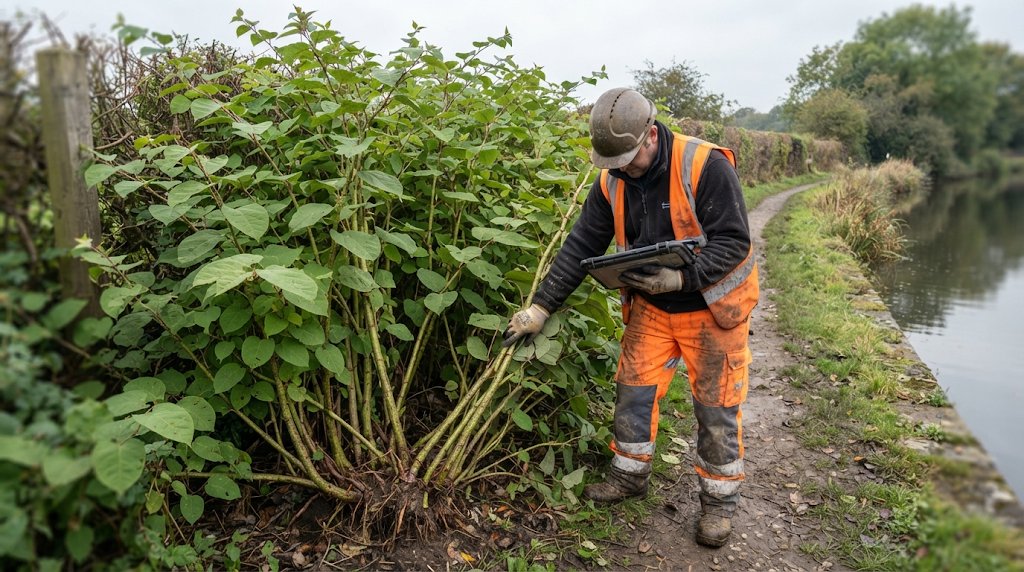
Knotweed surveyor checking a stand on a canal towpath in Great Sankey
Japanese Knotweed Removal · Great Sankey (WA5)
Japanese knotweed in Warrington, identified, treated and signed off.

Surveys, herbicide programmes and excavation, with a management plan your lender will accept. Free photo ID check. Surveys from £295.

Free photo ID check Survey from £295 Plans accepted by mortgage lenders
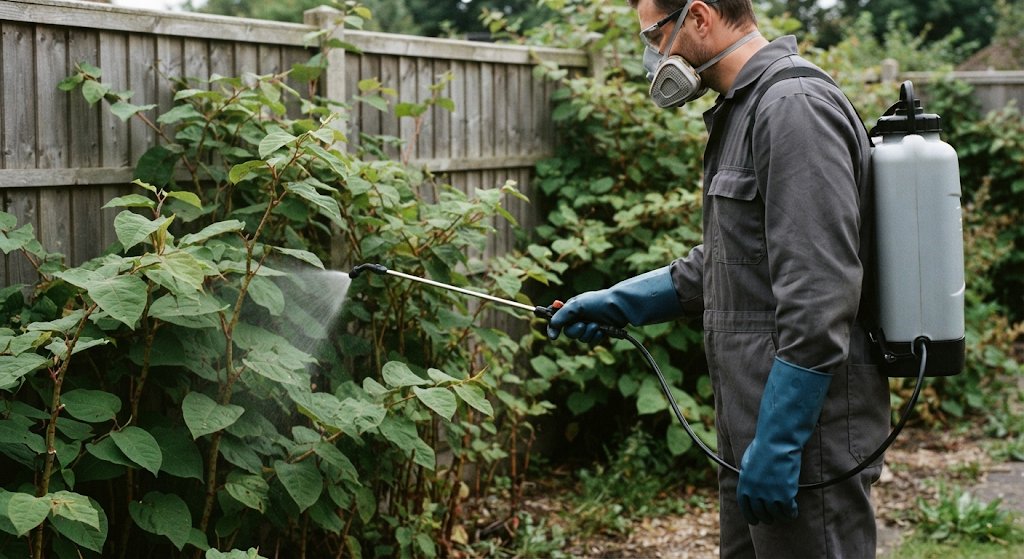
Herbicide programmes
Herbicide programmesTreatment over several growing seasons, with monitoring.
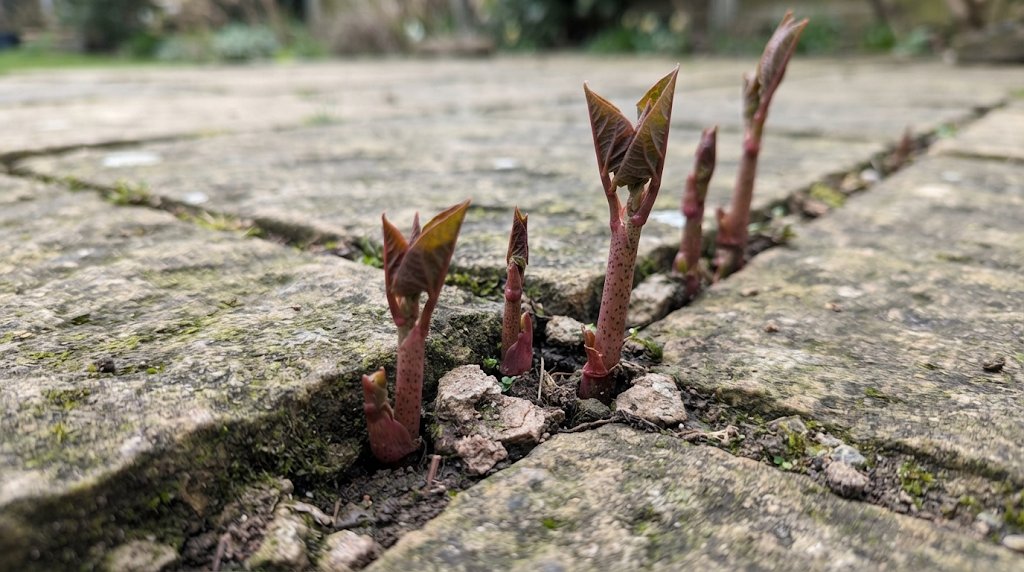
Spring shoots
Spring shootsRed spears in April and May are the giveaway.
Lender-ready plans
Lender-ready plansA written management plan for mortgages and sales.
How we work

Half the plants we are sent are not knotweed. We say so.

A photo costs you nothing. If it is bindweed or dogwood, you hear that the same day. If it is knotweed, you get a survey, a written plan and a price before anything is sprayed or dug.

Why sooner is cheaper

What leaving knotweed another season costs

Knotweed does not die back for good in winter. The rhizome keeps spreading underground.

Survey and start treatmentA plan in place, the stand weaker each season.
£295
Leave it a yearA bigger stand and a bigger treatment area.
Bigger job
Found by a buyer's surveyorLender pauses, exchange slips.
Weeks lost
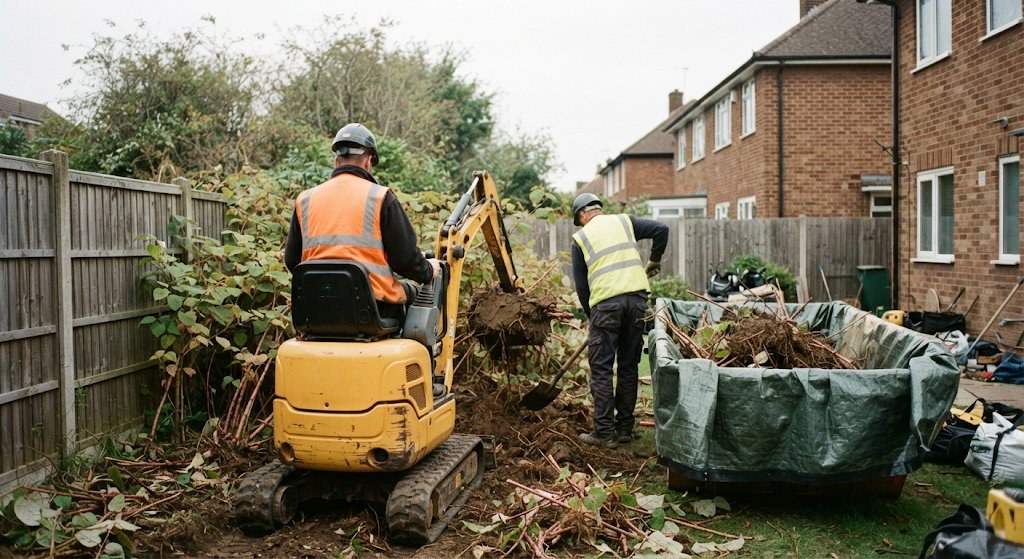
Dug out without a planFragments spread, controlled waste to deal with.
£££££
The survey price is published. Treatment and removal are quoted in writing after the survey, never on the doorstep.
£295 · One visit, one price Written quote before any work

✓ What that buys

Every survey includes:

  • A site visit to confirm it is Japanese knotweed
  • Measurement of the stand and nearby structures
  • A plan of where it is and where it is likely spreading
  • A written report with photographs, suitable for lenders
  • Treatment and removal options, each with a price

— What you never get

You will never be charged for:

  • Telling you from a photo that it is not knotweed
  • Travel within Warrington
  • A price that changes after the survey
  • Pressure to excavate what can be treated
  • Access to your own report

Surveys follow the RICS guidance on Japanese knotweed and residential property. Take it to any contractor you like.

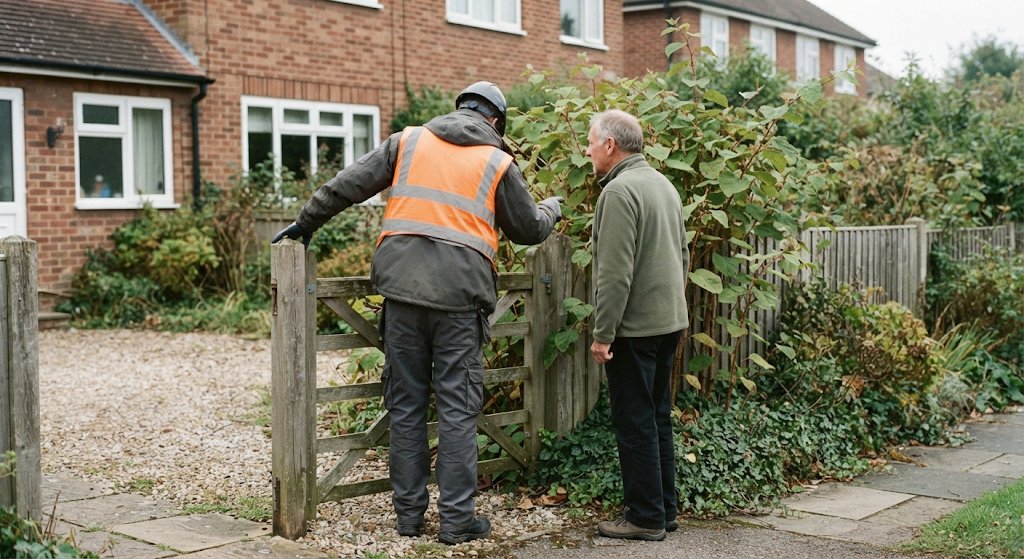
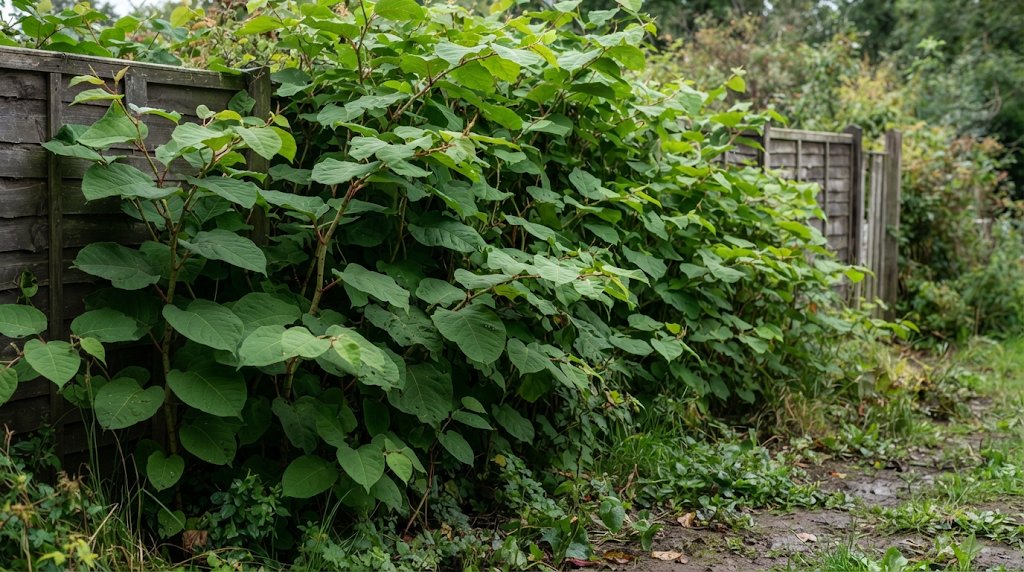
Japanese knotweed growing over a garden fence in Great Sankey
Knotweed in Great Sankey

Canal, river and railway land runs right through town.

Great Sankey is mostly post-war and 1970s–90s housing on the western side of town, close to the Sankey Brook and the old Sankey Canal. The brook and canal corridors carry knotweed well, and gardens on the estates backing onto them are the ones most likely to be affected.

Most stands we see started on a boundary. The survey shows where yours is heading.

Also covering the rest of Warrington — same price, same service.

Know what you are looking at

Japanese knotweed in Warrington, through the year

A stand on the boundary of a Great Sankey garden.
Spring: red shoots pushing through paving.
Summer: a stand coming over a garden fence.

Not sure it is knotweed?

Send a photo through the contact page, or ring us, and we will tell you for free whether it is knotweed.

Send a photo
Warrington and the villages along the Mersey

Warrington areas we cover

All Warrington postcodes (WA1–WA5), plus Lymm (WA13) and Culcheth (WA3). Site visits usually booked within a few working days.

Before you ring

Questions we get asked

Is knotweed common near the Sankey Brook?
Watercourses are one of the main routes knotweed spreads along, because fragments travel downstream. Gardens close to the brook or the old canal are worth checking each spring.
How do I know if it is Japanese knotweed?
Look for hollow, bamboo-like stems with purple speckles that grow in a zig-zag from node to node, and large shield or heart-shaped leaves with a flat base. In late summer it carries creamy-white flower tassels; in winter the dead canes stay standing, brown and brittle. Send us a photo and we will tell you.
Is it illegal to have knotweed in my garden?
No. It is not an offence to have it on your land. It is an offence to cause it to grow in the wild, and knotweed waste is controlled waste that must be disposed of properly. Letting it spread onto a neighbour's property can lead to a private nuisance claim.
Will knotweed stop me getting a mortgage?
Usually not, if there is a professional management plan in place. Most lenders want to see a survey, a treatment plan and, often, an insurance-backed guarantee before they will lend.
How long does treatment take?
Herbicide treatment typically runs over three to five growing seasons, with monitoring afterwards. Excavation removes it in days but costs more.
Can I just dig it out myself?
It is not recommended. Fragments of rhizome as small as a fingernail can regrow, and the soil becomes controlled waste. DIY digging usually spreads it.
Does knotweed damage houses?
It exploits existing weaknesses — cracked paving, drains, garden walls, conservatories and outbuildings are most at risk. Serious damage to sound foundations is less common than often claimed, but lenders and buyers still treat it seriously.
What if it is coming from my neighbour?
Start with a survey that records where it is and where it is spreading from. That evidence is what a conversation with the neighbour — or a claim — rests on.

Do not cut, strim or dig it until you know what it is.

Free photo ID check. A written plan. A price before any work.

Call [phone]